In the ever-evolving world of software, managing licenses and activation can be a daunting task. Software activation solutions have become crucial in ensuring that both individual users and organizations comply with licensing agreements. As a Software Licensing Specialist, one toolset that often comes up in discussions is KMS tools, known for their efficiency in activating various Microsoft products.
Understanding KMS Tools
KMS tools are designed to handle the activation needs for Microsoft products such as Windows and Office suites. These tools streamline the process, making it easier for IT administrators to manage large-scale deployments without needing individual product keys. For environments where multiple activations are required, KMS tools prove invaluable. They offer not just convenience but also a layer of security by reducing the chances of unauthorized access to sensitive licensing data.
The Role of KMS in Software Activation
The Key Management Service (KMS) is a technology used by Microsoft to activate software on corporate networks. It simplifies the activation process by eliminating the need for individual product keys for each machine. Instead, a single server within the network handles all activation requests. This method is especially beneficial in enterprise settings where license management can otherwise become quite complex. By maintaining a centralized system, organizations can ensure compliance and optimize resource allocation efficiently.
Popular KMS Tool Variants
Several variants of kms tools exist, each with unique features suited for different environments. Among these, KMSpico is perhaps one of the most well-known names. KMSpico performs activation by emulating a KMS server locally on your machine, thereby enabling the activation of Windows 10 and Office 2016 without connecting to an external server. This local emulation not only speeds up the activation process but also provides flexibility in environments with limited internet connectivity.
KMSpico Download and Deployment
Downloading and deploying KMSpico requires careful consideration of compliance and security. While popular as an activator, it’s essential to ensure it is obtained from secure sources to avoid malware risks. Many administrators use it within virtual machines configured with 2 vCPU and 4 GB RAM to safely test its efficacy before deploying it network-wide. By isolating these tests in virtual environments, organizations can mitigate potential risks associated with new software implementations.
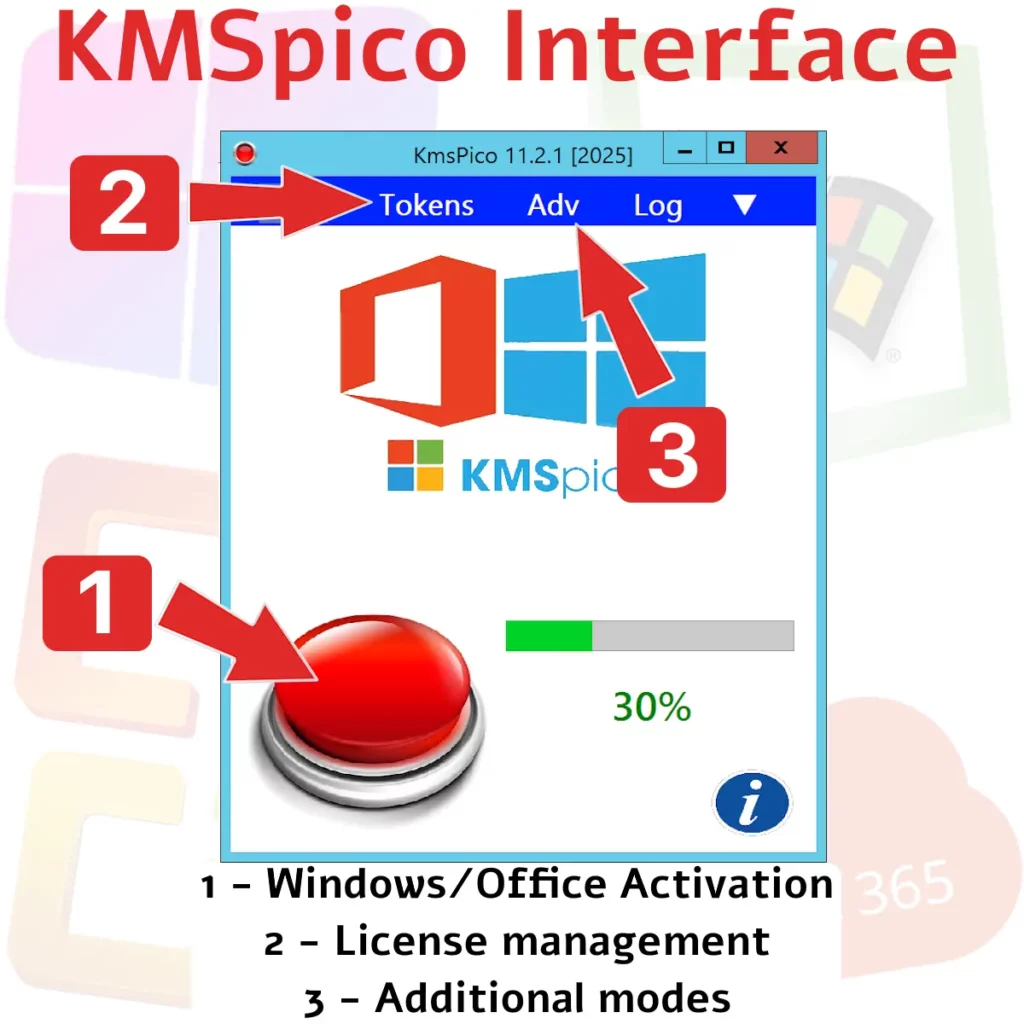
Advantages of Using KMSpico
- Facilitates offline activation without needing internet connectivity.
- Offers a straightforward interface that reduces the learning curve for new users.
- Supports both older versions like Windows 8 as well as newer ones including Windows 11.
- Provides consistent updates that enhance compatibility with emerging software versions.
- Ensures cost-effectiveness by reducing reliance on individual license purchases.
Office 2016 Activator Through KMS Tools
An effective office 2016 activator can save significant time and resources for businesses relying heavily on Microsoft’s productivity suite. By using kms tools tailored for Office products, organizations can assure compliance while maintaining seamless productivity across all departments. These tools enable IT teams to focus more on strategic initiatives rather than getting bogged down by routine license management tasks.
Streamlining License Management
With kms tools, maintaining digital licensing compliance becomes easier due to centralized management features. This is particularly useful for large enterprises where tracking individual licenses manually would be impractical and error-prone. Automated processes reduce human errors and ensure that all systems remain compliant with minimal oversight required from IT personnel.
Troubleshooting Activation Issues
- Always verify network connectivity to ensure proper communication between client computers and the KMS host.
- Regularly update KMS hosts to protect against vulnerabilities that could affect licensing processes.
- Monitor server logs regularly to identify any irregularities or unauthorized access attempts early on.
- Ensure firewall settings allow necessary traffic between client PCs and the KMS server for seamless operations.
KMSPico 2025: The Future of Activation Toolkits
The upcoming release of kmspico 2025 promises enhancements aimed at improving user experience further while adding support for emerging Microsoft software versions. This iteration will likely include more robust features that cater to both existing users looking to activate windows 10 and new adopters who require a windows 11 activator. Anticipated upgrades may also involve improved user interfaces designed to facilitate quicker navigation through various functionalities offered by these advanced kms tools.
The Importance of Key Management
An effective key management system is at the heart of any robust activation toolkit. It ensures that product keys are not only securely stored but also efficiently used during activation. This reduces unnecessary expenses related to license purchases and minimizes downtime during installations or upgrades. Proper key management practices contribute significantly towards maintaining continuity in business operations by mitigating risks associated with software non-compliance penalties or disruptions due to expired licenses.
The Concrete Utility: DISM Command
The Deployment Imaging Service and Management (DISM) command is frequently used alongside kms tools during deployments. It assists administrators in preparing and servicing Windows images, streamlining mass deployments while ensuring every machine remains activated through proper configuration settings. Mastery over such commands enhances an organization’s ability to swiftly adapt its IT infrastructure in response to evolving operational demands or technological advancements within their industries.
Conclusion: Mastering Software Licensing with KMS Tools
Kms tools are indispensable assets for any IT department aiming to master software licensing intricacies effortlessly. They provide an efficient, scalable solution capable of handling numerous activations across various platforms with minimal hassle. As technology progresses, these tools will undoubtedly evolve further, continuing to offer invaluable support in navigating complex licensing landscapes effectively. Organizations investing time into understanding these systems stand poised not only benefit from immediate operational efficiencies but also position themselves strategically for future growth within increasingly digital marketplaces.
The adaptability of kms tools extends beyond merely activating products; they help establish a framework where software management becomes an integrated part of organizational strategy rather than just an operational necessity. This shift allows companies to redirect resources toward innovation-driven goals instead of being consumed by administrative overheads related solely to compliance issues.
Furthermore, as global markets demand faster turnaround times and more agile responses from businesses, utilizing advanced kms tools ensures companies remain competitive without compromising on quality or security standards expected by clients around the globe.
In essence, investing in such technologies not only safeguards intellectual property but also empowers enterprises with newfound capabilities essential for thriving amidst rapid technological changes defining today’s industrial landscape.